

.jpg?width=2000&height=1331&name=breakfast-food-and-people-conc%20(1).jpg)
.jpg?width=690&height=1034&name=Depositphotos_598717034_XL%20(1).jpg)
Families exploring support for a loved one living with dementia often want to know what makes memory care different from other senior living settings. A big part of the answer is the people providing that support each day.
In a specialized setting, team members receive focused preparation that goes beyond general senior living roles. Their work centers on person-first support, meaningful routines, and communication techniques that help residents feel understood, respected, and more at ease.
Understanding this memory care staff training approach can help families feel more confident as they compare options. In many Discovery Senior Living communities, that specialized preparation may include SHINE® Memory Care or GLOW℠ Memory Care, two distinct programs built around personalized support, family connection, and a deeper understanding of how dementia affects daily life.
Specialized Preparation for Daily Dementia Support
One of the clearest examples of memory care staff specialization is the training itself. Team members learn how cognitive changes affect communication, routines, relationships, and emotional responses. That gives them a stronger foundation for supporting residents with patience and consistency rather than relying on trial and error, with techniques such as:
- Communication techniques adapted to cognitive change
- Recognition of distress triggers and unmet needs
- Approaches that help preserve dignity during personal support
- A better understanding of how memory loss can affect behavior, mood, and daily routines
This is a key difference in memory care vs. assisted living staff roles. While assisted living team members may focus more broadly on daily support and lifestyle services, a specialized memory care team is trained to respond to confusion, repetition, anxiety, and changing abilities in ways that are calmer, more personalized, and more reassuring.
Discovery’s SHINE® Memory Care program emphasizes specialized team member training, family communication, dining support, and individualized life stories as part of its overall approach. GLOW℠ Memory Care also reflects that commitment to personalization, with added emphasis on choice, flexibility, and creating meaningful daily experiences that adapt as residents’ needs change.
Communication That Connects Beyond Words
What Memory Care Team Members Do Throughout the Day
Families often ask what memory care team members do that is truly different. The answer is not just helping with routines. It is noticing patterns, adjusting the environment, and creating moments of connection that can make the day feel more comfortable and familiar. Memory care team members develop knowledge and abilities relates to:
- Reading facial expressions, tone, body language, and other nonverbal cues
- Using simple, respectful language without sounding childish or dismissive
- Redirecting gently instead of correcting when a resident is confused
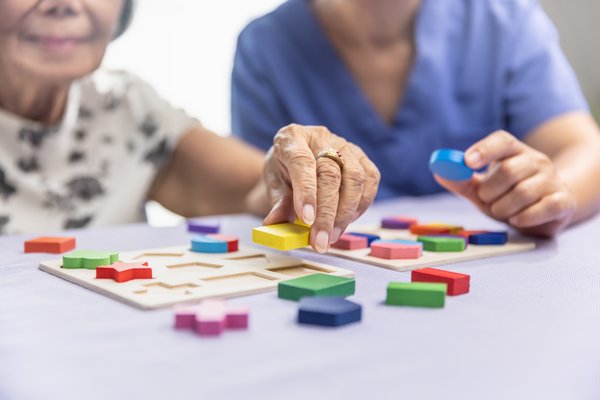
- Supporting engagement through music, familiar objects, personal history, and soothing routines
This work requires attentiveness and flexibility. Team members often learn that emotional memory may remain strong even when factual recall changes. A resident may not remember a name or a schedule, but they may still respond to a comforting voice, a favorite song, or a familiar rhythm to the day. That is one reason specialized memory care support is so relationship-driven.
For families comparing levels of support in senior living communities, this is often where the difference becomes clearer. Assisted living may be the right fit for someone who needs help with daily tasks but can still navigate most of the day with limited cueing. Memory care is different because the team’s role expands to include cognitive support, behavioral understanding, and structured engagement throughout the day.
How Specialized Teams Respond to Challenging Moments
Difficult moments can happen when someone is living with dementia. A resident may feel overwhelmed, suspicious, frustrated, or frightened without being able to explain why. In these situations, the response of the team can make a significant difference. Memory care team members can respond by:
- Reducing noise, glare, or overstimulation in the environment
- Offering reassurance and redirection through something familiar
- Providing a quieter space when group settings feel overwhelming
- Tracking patterns so future support can be more consistent and personalized
This is where dementia care staff training becomes especially important. Rather than reacting only to the behavior itself, trained team members look for the cause. Hunger, fatigue, pain, overstimulation, a rushed interaction, or a sudden change in routine may all contribute to distress. When teams understand that, they can respond with more empathy and better strategies.
That kind of preparation supports better decision-making in the moment, deeper familiarity with each resident, and more confidence in how to respond. Whether a community follows the structured, research-informed framework of SHINE® Memory Care or the flexible, highly personalized experience model of GLOW℠ Memory Care, the goal is the same: helping residents feel supported with dignity and consistency.
Why Consistency Matters So Much in Memory Care
Another reason families notice a difference in what memory care team members do is the consistency they provide. Familiar faces, familiar routines, and a familiar communication style can help reduce stress for residents living with dementia. Over time, team members learn what brings comfort, what creates confusion, and what helps each person feel more secure.
That relationship-building can improve everyday life in ways that are easy to overlook from the outside. A team member may know which song helps during a hard morning, which seat feels most comfortable at lunch, or how to approach a conversation so a resident feels respected rather than rushed. These details are small on their own, but together they shape the resident experience.
For families, understanding the memory care staff training approach can make it easier to evaluate a community. Ask how team members are trained, how they learn resident preferences, how they handle challenging moments, and how they involve families in the process. Those answers often reveal far more than a brochure ever could.
The Difference Is in the Human Approach
When families compare memory care versus assisted living staff responsibilities, the biggest difference often comes down to specialization. Memory care team members are trained to help with daily routines while supporting communication, reducing distress, encouraging engagement, and building trust in a changing cognitive landscape.
In Discovery Senior Living communities, that work may be shaped by SHINE® Memory Care, GLOW℠ Memory Care, or another thoughtful community-specific approach. Across both flagship programs, the common thread is personalized support that helps residents maintain dignity, connection, and a sense of comfort throughout the day.
To learn more about what specialized memory care looks like and what questions to ask during your search, explore Senior Living Near Me’s Dementia & Memory Care Resource Hub.