
.jpg?width=2000&height=1331&name=breakfast-food-and-people-conc%20(1).jpg)


.jpg?width=690&height=1034&name=Depositphotos_598717034_XL%20(1).jpg)
Falls are one of the most serious health concerns for older adults, but they are not inevitable. Understanding how to prevent falls in seniors starts with a thoughtful plan that looks at daily routines, health needs, movement, and the spaces where older adults spend the most time.
The right approach can help families support safety while also encouraging confidence, connection, and quality of life. These fall prevention strategies for seniors can make a meaningful difference at home, in a senior living community, or during a transition between the two.
Understanding the True Impact of Falls
Falls affect more than physical health. They can also lead to lower confidence, reduced program participation, and increased anxiety about future incidents. After a fall, many older adults begin doing less because they're afraid of falling again. Over time, that can reduce strength, balance, and overall mobility.
The good news is that many falls can be prevented through planning and consistent safety habits. Addressing several risk factors at once often works best. By taking proactive steps, families can help older adults stay engaged in daily life while reducing unnecessary risks.
1. Create a Safer Environment
Environmental changes are one of the most practical ways to support reducing fall risk at home or in a senior living apartment. Small updates can make everyday movement feel safer and easier.
Helpful changes may include:
- Removing loose rugs, electrical cords, and clutter from walkways
- Improving lighting in hallways, stairways, bedrooms, and bathrooms
- Adding grab bars near toilets and in shower areas
- Using non-slip mats in bathtubs and showers
- Making sure handrails are secure on both sides of staircases
- Keeping frequently used items within easy reach
These changes don't need to make a space feel clinical. They're simple safety updates that can help older adults move with more confidence.
2. Build Strength Through Purposeful Movement
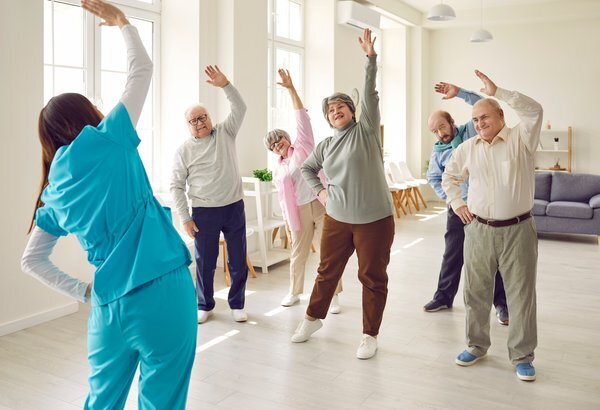
Balance exercises for fall prevention help older adults maintain the physical abilities needed for safer mobility. Regular movement can support strength, coordination, flexibility, and stability.
Gentle programs can be especially helpful when they're consistent and matched to the person’s needs. Options may include:
- Walking programs that build endurance over time
- Water-based exercise for low-impact conditioning
- Chair-based movement for those with limited mobility
- Stretching and flexibility routines
- Tai chi or other balance-focused programs
- Senior-specific fitness programs guided by trained professionals
The goal isn't to push too hard. It's to build confidence through steady, realistic movement. Many Discovery Senior Living communities offer wellness programs, fitness opportunities, and lifestyle programming that encourage residents to stay connected and engaged in ways that match their abilities and interests.
3. Review Medications and Health Conditions
Some medications may increase fall risk by causing dizziness, drowsiness, or changes in blood pressure. Regular medication reviews with healthcare providers can help identify possible concerns, especially when someone takes more than one prescription.
Vision changes, hearing loss, arthritis, diabetes, and other chronic conditions may also affect balance and movement. Routine checkups, updated eyeglasses, supportive footwear, and clear care plans can all support senior mobility and fall safety.
For older adults living in a senior living community, team members and families can work together to notice changes in mobility, confidence, or daily routines.
4. Choose Supportive Footwear and Assistive Devices
Footwear can play a bigger role in fall prevention than many families realize. Shoes should fit well, offer firm support, and have non-slip soles. Loose slippers, flip-flops, and shoes with smooth bottoms can increase the chance of slipping or tripping.
Assistive devices such as canes or walkers can also provide important support when used correctly. A healthcare professional can recommend the right device and show the older adult how to use it safely.
Some people resist using mobility aids because they worry it will make them seem less capable. In reality, the right device can help preserve confidence and make everyday movement safer. Regular reassessment is also important because mobility needs can change over time.
5. Build Community Support and Awareness
Fall prevention works best when it is not handled alone. Families, healthcare providers, team members, and community resources can all play a role in supporting safety.
Senior living communities can help by offering:
- Thoughtfully designed spaces
- Wellness and fitness programming
- Dining programs that support daily nourishment
- Social programs that encourage movement and connection
- Team members who can notice changes in daily routines
- Memory Care support for residents living with dementia, when available
Discovery Senior Living communities may offer chef-prepared dining, wellness programs, lifestyle programs, and specialized options such as SHINE® Memory Care in select locations. SHINE® Memory Care is for residents living with dementia, including Alzheimer’s disease, and includes person-centered support, family collaboration, team member training, and environmental support.
FAQ: Senior Fall Prevention Tips
What Are the Most Effective Fall Prevention Strategies for Seniors?
The most effective strategies usually combine safer spaces, regular movement, medication reviews, supportive footwear, and strong communication between older adults, families, and healthcare providers. No single change solves everything, but several small steps can work together to reduce risk.
How Can Families Help Prevent Falls in Seniors?
Families can help by checking for tripping hazards, encouraging regular vision and medication reviews, supporting safe movement, and talking openly about changes in balance or confidence. It also helps to revisit the plan often because needs can change over time.
Are Balance Exercises Safe for Older Adults?
Many balance exercises can be safe and helpful when they are matched to the person’s ability level. Older adults should talk with a healthcare provider or physical therapy professional before starting a new routine, especially after a fall or major health change.
Take the Next Step Toward Safer Senior Living
Fall prevention isn't about limiting daily life. It's about creating the right support so older adults can keep moving, connecting, and participating in the programs and routines that matter to them.
With practical safety updates, steady movement, health awareness, and the right community support, families can help reduce fall risk while supporting comfort and confidence.